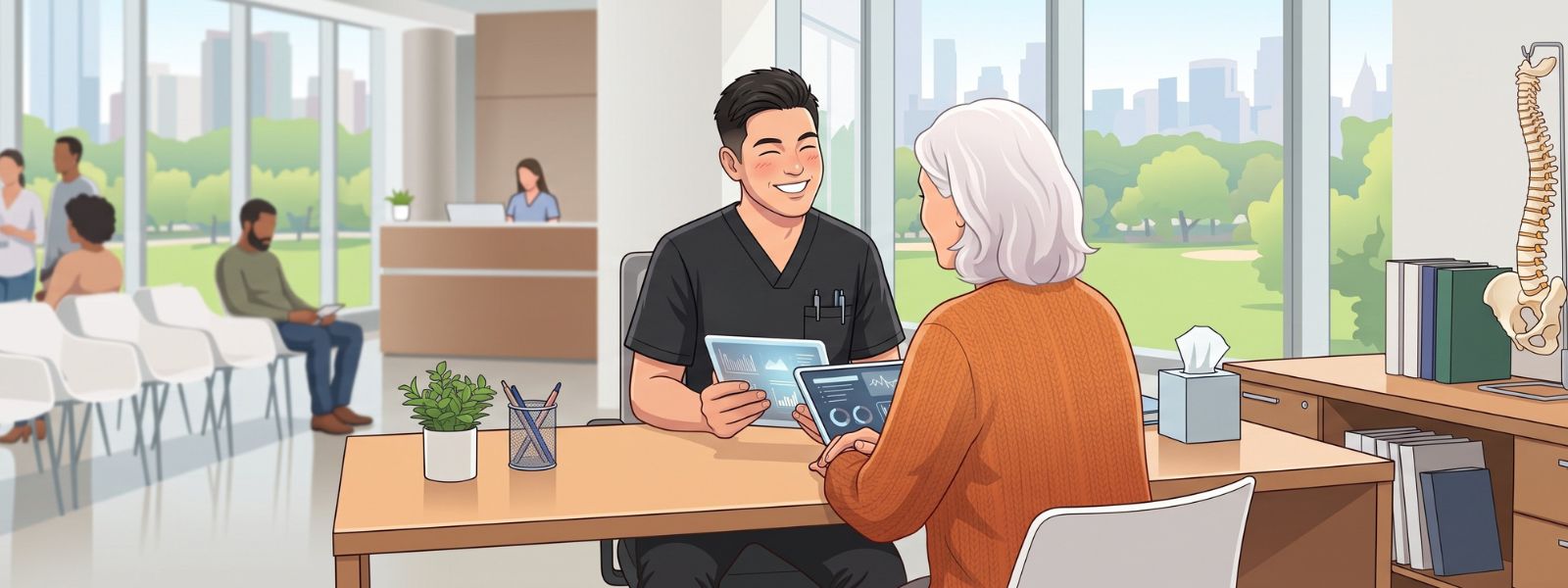
How Can You Make the Most of Your Elderly Health Care Voucher?

For many elderly people in Hong Kong, the Elderly Health Care Voucher can feel a bit like money tucked away in a savings account that nobody wants to touch. The government tops it up every year, the balance keeps growing, and eventually it hits the cap — quietly wasting resources that were meant to protect their health all along. The scheme was never designed to be a one-off sum you save for "a rainy day" or a major illness. Its real purpose is to encourage elderly residents to make regular use of private primary healthcare services, so that preventive check-ups and timely treatment can help them stay well for longer. In this article, I want to walk elderly patients and their caregivers through everything about the Elderly Health Care Voucher Scheme in the simplest way possible — from who qualifies, to what it covers, to the accumulation cap, and finally, how to actually put it to good use instead of letting it sit idle.
 

1. What Is the Elderly Health Care Voucher Scheme?

The Health Care Voucher, officially known as the Elderly Health Care Voucher Scheme, is an electronic subsidy provided by the Hong Kong Government to help elderly residents access private primary healthcare services. Its aim is to ease the financial burden of preventive, curative and rehabilitative care. The scheme has been running electronically since it launched in 2009, so there is no physical paper voucher to collect — the amount is simply credited straight into a personal voucher account. In short, the Health Care Voucher allows elderly residents to pay for private primary healthcare services according to their own health needs, and to freely choose the private healthcare professional they wish to see — including Medicine Practitioners, Chinese Medicine Practitioners, Dentists, and Chiropractors — without having to queue for public healthcare services every time.

2. Who Is Eligible for the Health Care Voucher?

According to the official Elderly Health Care Voucher Scheme website, eligible individuals must meet the following conditions:
  • Be aged 65 or above;
  • Hold a valid Hong Kong Identity Card, or a Certificate of Exemption issued by the Immigration Department;
  • The exception being where the individual's Hong Kong Identity Card was issued on the basis of a permission to land or remain in Hong Kong that has since expired or is no longer valid.
It is worth noting that there is no need to register or apply in advance for this scheme. As long as an elderly person meets the age and identification requirements, the voucher is issued automatically, and a personal account is set up on their behalf by the healthcare provider (such as a clinic) the first time they use it.

3. How Much Is Issued Each Year, and What Is the Accumulation Cap?

Every eligible elderly person currently receives HK$2,000 in vouchers each year, automatically credited to their personal account on 1 January. Unused amounts do not expire — they can be carried forward and accumulated indefinitely into future years. However, each account is subject to an accumulation cap of HK$8,000. In other words, if an elderly person rarely uses their vouchers and simply lets the balance build up, once the account reaches the cap, any newly issued amount that year cannot be credited in full, since it would exceed the limit. In addition, the government has run the Elderly Health Care Voucher Pilot Reward Scheme since 2024, encouraging elderly residents to use their vouchers for preventive care on an ongoing basis. If an elderly person uses at least HK$1,000 worth of vouchers on designated primary healthcare services within the same year, they can receive an additional bonus of up to HK$500 in vouchers per year. This pilot scheme has been extended until 31 December 2028.

4. What Services Can the Health Care Voucher Be Used For?

The Health Care Voucher's coverage is fairly broad, extending to preventive, curative and rehabilitative private primary healthcare services. According to official information, the following categories of healthcare professionals registered in Hong Kong may enrol in the scheme and accept voucher payments:
  • Medicine Practitioners, registered Chinese Medicine Practitioners, and Dentists;
  • Chiropractors, registered nurses, and enrolled nurses;
  • Physiotherapists and occupational therapists (subject to existing referral arrangements);
  • Radiographers and medical laboratory technologists (subject to existing referral arrangements);
  • Optometrists registered under Part I of the register;
  • Audiologists, clinical psychologists, dietitians, and speech therapists (must be registered with a recognised professional healthcare body).
It is important to note that the Health Care Voucher cannot be used for hospitalisation, healthcare services requiring prepayment, or day surgery procedures, among others. Before seeking treatment, elderly patients and caregivers are advised to check directly with the healthcare provider whether they accept voucher payments and whether the specific service falls within the scheme's coverage. A quota applies to optometry services: Since 2019, voucher use for optometry services (such as eye examinations and spectacle fitting) has been subject to a quota, capped at HK$2,000 every two years. This is meant to ensure that while elderly people can still benefit from optometry services, they retain enough balance for other primary healthcare needs.

5. How Does the Health Care Voucher Actually Work?

Using the Health Care Voucher is actually quite straightforward. Elderly patients and caregivers just need to keep the following steps in mind:
  1. The elderly person must receive the healthcare service in person from the provider before the Health Care Voucher can be used to pay for it;
  2. Present a valid Hong Kong Identity Card, or a Certificate of Exemption, to the registered healthcare provider and indicate that you wish to use the Health Care Voucher;
  3. If this is the first time using the Health Care Voucher, the healthcare provider will set up a personal voucher account on the spot, at no extra charge;
  4. The elderly person needs to provide a mobile phone number capable of receiving text messages (a family member's or caregiver's number can be used instead) in order to receive deduction notifications;
  5. The elderly person confirms the transaction using a smart identity card reader (if this is not possible due to special circumstances, a paper consent form can be signed instead);
  6. The healthcare provider will print a "Voucher Usage Record" for the elderly person to keep, showing the balance before deduction, the amount deducted, and the remaining balance.
Caregivers can help keep these usage records safe, and can also check the account balance anytime through the eHealth mobile app, or by calling the Voucher Enquiry Hotline at 2838 0511 — making it easier to plan voucher use in advance.

6. How Can You Make Better Use of the Health Care Voucher Instead of Just Saving It?

Out of habit or a sense of thrift, many elderly people feel they should "save the voucher for when a serious illness strikes." Year after year, the balance simply accumulates, and it often ends up being wasted once it hits the HK$8,000 cap. In reality, the Health Care Voucher was designed precisely to encourage regular preventive check-ups and timely treatment, rather than waiting until a problem has already worsened before seeking care. For those who spend long hours on computers and mobile phones, the degeneration of the cervical and lumbar spine tends to accelerate with age, often faster than expected. Arranging regular health check-ups, spinal assessments, or physiotherapy as part of primary healthcare can help you stay aware of changes in your body sooner — and this is one professional option worth considering. Rather than letting the Health Care Voucher sit quietly in an account gathering dust, turning it into part of a regular health management routine may be a more practical way to make it work for you.

7. How Can You Avoid Wasting the Health Care Voucher?

To avoid losing voucher value once the accumulation cap is reached, caregivers can help elderly family members regularly review their account balance and plan ahead for how to use it. Below is a summary of common scenarios and suggested approaches:
Common Health Care Voucher scenarios and suggested approaches
Scenario Possible Issue Suggested Approach
Health Care Voucher account balance is close to the HK$8,000 cap The new amount issued that year may not be credited in full, as it would exceed the cap Plan ahead — for example, arrange a Chiropractic Body Check, physical or dental check-up
Elderly person rarely seeks treatment and vouchers sit unused Missed opportunities for regular preventive care Consider arranging at least one primary healthcare assessment per year, such as a spinal check-up or dental examination
Uncertainty about whether a provider accepts the Health Care Voucher Unable to use the Health Care Voucher on the spot during a visit Check the list of registered healthcare providers, or confirm with clinic staff, before the appointment
Heavy use of the Health Care Voucher on optometry services May exceed the HK$2,000 quota per two-year period Understand the quota arrangement and keep enough balance for other primary healthcare needs
Caregivers can also make use of the Spouse Account Linking arrangement — if one spouse's voucher balance has been used up, the other spouse's remaining balance can be used to pay for related services, giving the household more flexibility in how they use their combined voucher resources.

Conclusion: The Real Value of the Elderly Health Care Voucher Lies in Using It Wisely

The Elderly Health Care Voucher Scheme was never meant to be just another "government benefit" — it is really a gentle reminder for elderly residents to pay regular attention to their own health. Rather than letting it sit untouched in an account, why not turn it into part of your everyday health management? Whether that means a dental check-up, an optometry assessment, or a professional assessment of your spine and musculoskeletal system, these are all directions worth considering. As a side note, Ethica Health, located in Central, Hong Kong, is run by Dr. Ronan Chan, a Hong Kong Registered Chiropractor. Elderly patients can use their Health Care Voucher to pay for Chiropractic Body Check / treatment here as well. If you or someone you care for would like to learn more about this professional option within primary healthcare, you are welcome to visit our website for details or to book a consultation.

Frequently Asked Questions

Q1. Do I need to apply every year to receive the Health Care Voucher?

No. The Health Care Voucher is issued automatically and electronically. Eligible elderly residents receive HK$2,000 into their personal account every 1 January, with no need for prior registration or application, and no paper vouchers are issued.

Q2. Does the unused balance of the Health Care Voucher expire?

There is no expiry date. Unused amounts can be carried forward and accumulated year after year, but each account has a total accumulation cap of HK$8,000, beyond which additional amounts may not be credited.

Q3. Can the Health Care Voucher be used for chiropractic services?

Yes. According to the official list under the Elderly Health Care Voucher Scheme, Hong Kong Registered Chiropractors are among the eligible healthcare providers, and elderly patients can use their Health Care Voucher to pay for chiropractic assessments and related primary healthcare services.

Q4. Can a caregiver use the Health Care Voucher on behalf of an elderly person?

The elderly person must receive the healthcare service in person before the Health Care Voucher can be used. Caregivers may accompany them to appointments and help provide a contact number to receive deduction notifications, but the use of the voucher itself must be confirmed by the elderly person (or their guardian, under special circumstances).

Q5. Can the Health Care Voucher be used for hospitalisation?

No. The Health Care Voucher cannot be used for hospitalisation, healthcare services requiring prepayment, or day surgery procedures. It is intended mainly for private primary healthcare services.

Q6. Can a married couple share their Health Care Vouchers?

Yes. Couples can apply to link their voucher accounts, so that once one spouse's balance is used up, the other spouse's remaining balance can be used to pay for related services — giving the household more flexibility in how their combined resources are used.

Q7. How can I check the balance of my Health Care Voucher account?

Elderly residents and caregivers can check their account balance and usage history anytime through the eHealth mobile app, the Elderly Health Care Voucher Scheme website, or by calling the Voucher Enquiry Hotline at 2838 0511.

Q8. Are there restrictions on using the Health Care Voucher for optometry services?

Yes. Since 2019, Health Care Voucher use for optometry services has been subject to a quota, capped at HK$2,000 every two years. This is designed to allow elderly residents to benefit from optometry services while still retaining enough balance for other primary healthcare needs.
 

eHealth Hong Kong: How Shared Records Help Me Treat Patients Safer

Every week, I sit across from a patient who cannot fully answer a question that should be simple: "What treatment have you had before, and what are you currently taking?" It's rarely their fault. Many of them have seen several doctors over many years, and details slip. Some pull out a crumpled plastic bag of medicine bottles from three different clinics and shrug. Others simply say, "I think I had something done to my back a few years ago, but I can't remember what." When I don't have the full picture, the treatment plan I build is only as good as the information I'm given — and that's exactly the gap that Hong Kong's Electronic Health Record Sharing System, known as eHealth, is designed to close.

When Patients Can't Remember Their Own Medical History

A Familiar Scene in My Consultation Room

If you've ever accompanied a relative to a check-up, you'll recognise this scene: the doctor asks "what medications are you on?" and everyone in the room starts guessing. I see this constantly in my own practice. A patient tells me about back pain, but forgets to mention they're also seeing a cardiologist, taking blood thinners, or that an X-ray was done at a public hospital eight months ago. It's not a memory problem unique to Hong Kong — it happens everywhere people juggle multiple clinics — but in a city where many residents move between public hospitals, private specialists, and community clinics, the paper trail gets scattered fast.

Why Missing Information Increases Treatment Risk

For a chiropractor, incomplete information isn't just inconvenient — it can directly affect how safely and appropriately I can proceed. If I don't know a patient recently had spinal imaging, I might order a test that has already been done. If I don't know about certain medications or existing conditions, I have to be more conservative with my assessment, which can slow down how quickly I understand what's really going on. This is precisely the kind of "information gap" that eHealth was built to help address, by giving authorised healthcare providers a shared, more complete picture of a patient's health record .

What Is eHealth and What Does It Actually Share

A Free, Lifelong, Two-Way Health Record System

eHealth is a platform developed by the Hong Kong Government that builds free, lifelong electronic health records for members of the public, enabling two-way sharing of health information among public and private healthcare providers. Participation is voluntary, territory-wide, and patient-oriented — meaning the patient decides who can access their records, and every participant's data is stored in encrypted electronic format. In simple terms, it's a shared filing cabinet for your health history, one that follows you whether you're at a public hospital, a private clinic, or — in my case — receiving chiropractic care.

The 11 Types of Data Doctors Like Me Can Access

According to eHealth, there are currently 11 types of shareable data, including personal identification and demographic data, allergies and adverse drug reactions, and diagnosis, procedures and medication records. For a family caring for an elderly parent, this means a healthcare provider authorised by that parent can check what medicine was prescribed during a previous visit, without the family needing to recall it from memory . For a child's caregiver, an authorised provider can check immunisation records the same way . Access isn't unlimited, either — eHealth applies role-based access control, so different authorised healthcare professionals are granted different levels of access according to their clinical needs, and providers can only view records of patients under their care with consent, on a "need-to-know" basis.

How I Use eHealth Before and During an Assessment

Seeing Past Diagnoses, Medications and Reports First

When a patient has joined eHealth and authorised me as their healthcare provider, I can review relevant diagnosis, medication and test-report information before I even begin a physical assessment. This is a meaningfully different starting point compared to relying purely on what a patient remembers to tell me in a ten-minute conversation. Instead of piecing together fragments, I get a documented reference — which is exactly the kind of quick access to health records that eHealth was designed to provide for healthcare professionals .

Cutting Down Repeat Tests and Reducing Risk of Error

One of the stated benefits of eHealth for healthcare providers is that it helps reduce repeated tests and potential errors associated with paper records . In practice, this might look like avoiding sending a patient for another imaging scan that was already done recently elsewhere, simply because I didn't know it existed. Fewer unnecessary repeat tests also means less time, less cost, and less exposure for the patient — particularly relevant for patients for whom extra clinic visits are physically tiring.

Why This Matters Even More for Seniors and Persons with Disabilities

Juggling Several Specialists at the Same Time

Many of my elderly patients are not seeing just one doctor. It's common for someone in their seventies to be following up with a cardiologist, an orthopaedic surgeon, and a general practitioner, all in the same month. Each of those visits generates records — prescriptions, test results, diagnoses — that may sit in different systems if not shared. When those pieces are scattered, no single provider, including me, has the complete picture unless the patient (or their family) manually gathers and repeats it every time.

When Patients Can't Fully Describe Their Own Health Picture

For elderly patients and persons with disabilities in particular, verbally recounting a complete, accurate medical history during a single consultation can be genuinely difficult — whether due to memory, communication difficulties, or simply the sheer number of past treatments involved. This is where the gap I described at the start of this article becomes most consequential, and it is exactly the population that benefits most from a system where records don't rely solely on memory or verbal recall.

General Illustration: Assessment With and Without Shared Records
Aspect of Assessment Without Shared Records With eHealth Access
Reviewing medication history Relies on patient/family recall Authorised provider may access recorded medication data
Risk of repeat testing Higher, if past reports are unknown May be reduced, as noted in eHealth's stated benefits
Awareness of allergies/drug reactions Depends on what patient remembers to mention Recorded allergy and adverse drug reaction data may be available
Cross-specialist awareness Fragmented across separate providers Two-way sharing among authorised public and private providers

Bringing eHealth Into My Home Visits

A home visit is different from a clinic consultation. I don't have a filing cabinet of past clinic notes sitting behind me, and there usually isn't a second professional in the room to help fill in gaps. Preparation before I even step through the door matters more here than almost anywhere else, and this is where having access to shared records ahead of time becomes especially useful. Where a patient has joined eHealth and authorised access, I'm able to arrive with a more informed picture of their health background, rather than piecing everything together on the spot.

A New Chapter: Home Chiropractic Care for Seniors and Persons with Disabilities

Now Covering Hong Kong Island, Kowloon and the New Territories

I'm currently expanding my home chiropractic service for seniors aged 65 or above and persons with disabilities, now covering Hong Kong Island, Kowloon, and the New Territories (excluding Stanley, Tai Tam, Shek O, Lantau, and the Outlying Islands), with no house-call fee charged for eligible patients. This service was designed with exactly the population described throughout this article in mind — people for whom travelling to a clinic can be difficult, and whose health history often spans multiple specialists and providers.

How eHealth Helps This Service Run More Efficiently

For home visits specifically, having access to a patient's shared health records — where the patient has joined eHealth and authorised access — can make a real difference to how efficiently and thoroughly I'm able to conduct an assessment on-site, without needing to rely entirely on what the patient or a family member can recall in the moment.

The home visit service generally includes:

  • A spinal and postural assessment
  • Chiropractic treatment appropriate to the assessed condition
  • Guidance on posture and self-care at home

If you have a parent, relative, or someone under your care who may benefit from this kind of home-based professional assessment, you're welcome to reach out to learn more about the service and how it works.

Frequently Asked Questions

What is eHealth in Hong Kong?

eHealth is an electronic platform developed by the Hong Kong Government that builds free, lifelong health records for the public and enables two-way sharing of health information between public and private healthcare providers.

How does eHealth help my chiropractic assessment?

With patient authorisation, eHealth allows me to reference existing diagnosis, medication, and report information before an assessment, giving a more complete starting point than relying only on verbal recall .

Can eHealth reduce the need for repeated tests?

According to eHealth, one stated benefit for healthcare providers is a reduction in repeated tests and potential errors associated with paper-based records, which may help avoid unnecessary duplicate examinations .

Why is eHealth especially useful for seniors?

Seniors often see multiple specialists at once, and consolidating their records may help authorised providers, including chiropractors, access a fuller history without depending solely on memory .

Why is eHealth useful for persons with disabilities?

Persons with disabilities may face communication difficulties describing their full medical history verbally, so having authorised providers access recorded data may help reduce gaps in information .

Does joining eHealth cost anything for patients?

No. eHealth is described as a free, lifelong electronic health record system for members of the public, with participation on a voluntary basis.

How does eHealth support home chiropractic visits?

Reviewing available records beforehand, where authorised, allows more preparation ahead of an on-site assessment, which can support a more efficient and informed home visit.

How can I book a home chiropractic visit with Ronan?

Seniors aged 65 or above and persons with disabilities across Hong Kong Island, Kowloon, and the New Territories (excluding Stanley, Tai Tam, Shek O, Lantau, and the Outlying Islands) can enquire about the home chiropractic service, which currently has no house-call fee for eligible patients. You're welcome to get in touch to find out more.

Posted in FAQ

What Is a Chiropractic Body Check? A Hong Kong Chiropractor’s Guide

In my last article, I shared a case where a patient had been living with a discomfort that no one could quite explain — until a Chiropractic Body Check helped us understand what was actually going on. That case left many of you asking me a very fair question: what actually happens during this kind of assessment, and how does it uncover the root cause of a problem?

So today, I want to walk you through exactly that — what a Chiropractic Body Check involves, and who might benefit from having one.

A Stitch in Time Saves Nine

If there's one pattern I see again and again in my clinic, it's this: people wait. They feel a nagging stiffness in the neck after a long week of back-to-back Zoom calls, or a dull ache in the lower back that flares up after carrying groceries up the stairs from the wet market — and they brush it off. "It'll go away on its own," they tell themselves. Weeks turn into months. What started as a minor niggle slowly becomes something that affects how they sit at their desk, how they sleep, even how they walk.

As the old saying goes, a stitch in time saves nine — treating a small issue early is far easier than untangling a bigger one later. The longer you wait, the more layers of compensation your body builds around the original issue, and the more time, effort, and cost it eventually takes to unwind. Early attention isn't about overreacting to every twinge; it's about giving your body the best chance to recover quickly, before a simple issue turns into a complicated one.bbc+1

This is where a Chiropractic Body Check comes in — not as a reaction to a crisis, but as a structured way to understand what's really happening in your body before things escalate.

So What Exactly Is a Chiropractic Body Check?

Think of it less like a quick check-up and more like a full vehicle inspection at a garage. If your car's engine light comes on, a good mechanic doesn't just top up the oil and send you off — they check the engine, the suspension, the brakes, and the electronics, because one warning light rarely tells the whole story. A Chiropractic Body Check works the same way: it's a systematic, evidence-based investigation into how your nervous and musculoskeletal systems are actually functioning, rather than simply chasing the spot where it hurts.

By looking at your body as a connected system rather than a single sore point, we're able to piece together the "why" behind your discomfort — not just the "where."

The Building Blocks of the Assessment

Each part of the assessment plays a distinct role, like different specialists on a team, each contributing a piece of the puzzle.

Health History and Consultation

This is where I listen — really listen — to your story. Much like a thorough interview before an insurance policy is issued, we talk through your daily habits, your desk setup, your stress levels, past injuries, and what you're hoping to achieve. This context often reveals the "why" behind symptoms that seem to come from nowhere.

Visual and Structural Assessment

Here, we observe your posture in three dimensions — how your body holds itself up against gravity. Many Hongkongers will recognise the classic "phone-neck" look from hours spent scrolling on the MTR, or one shoulder sitting lower than the other after years of carrying a heavy work bag on the same side. We're looking for structural imbalances like a tilted pelvis, rounded shoulders, or uneven hips, which place uneven wear and tear on the joints over time.

Palpation

This is precise, hands-on touch — feeling the soft tissues and joints of your spine and limbs, much like an experienced tea taster judges the quality of leaves by feel rather than sight alone. Through palpation, we can locate areas of muscle guarding, tissue inflammation, and restricted joint movement.

Range of Motion

We measure how well your joints actually move — similar to testing whether a door hinge swings smoothly or catches and creaks. This evaluation reveals localized stiffness, asymmetrical movement patterns, and tracking errors in the spine and limbs.

Orthopaedic and Neurological Testing

These are targeted diagnostic tests that isolate specific tissues. Orthopaedic tests check the integrity of ligaments, tendons, and spinal discs — think of it as checking the structural beams of a building. Neurological testing, covering reflexes, sensory mapping, and muscle strength, checks that the "wiring" between your brain and body is communicating without interference.

Functional Movement Screening

Here, we observe how your body moves as a complete system during active tasks like squatting or bending — similar to watching a badminton player's full swing rather than just their grip on the racket. This helps identify compensatory patterns, where one area of the body is working overtime to make up for weakness elsewhere.

Optional Imaging (X-Ray or MRI)

If the assessment reveals any clinical "red flags," or if deeper structural issues such as disc herniations or significant degeneration are suspected, imaging may be recommended as a next step, to help ensure that any care plan going forward is safe and appropriately targeted.

Assessment Components at a Glance

To make it easier to see how each part fits together, here's how I break down the purpose and insight of each component:

Purpose and possible findings of each Chiropractic Body Check component
Component Purpose What It Can Reveal
Health History and Consultation Understand daily habits, desk setup, stress, past injuries, and goals Context behind physical symptoms
Visual and Structural Assessment Analyse posture in three dimensions against gravity Structural imbalances like tilted pelvis, rounded shoulders, uneven hips
Palpation Hands-on assessment of soft tissue and joints Muscle guarding, tissue inflammation, restricted joint play
Range of Motion Measure how well joints move Localized stiffness, asymmetrical movement, tracking errors
Orthopaedic and Neurological Testing Isolate specific tissues and nerve pathways Ligament/tendon/disc integrity; reflex, sensory, and strength issues
Functional Movement Screening Observe the body as a whole system during active tasks Compensatory movement patterns
Optional Imaging (X-Ray/MRI) Investigate suspected "red flags" or deeper structural issues Disc herniations, severe degeneration

The information above is for general reference only and individual circumstances may vary. If discomfort persists, it is advisable to consult a professional chiropractor for a proper evaluation.

Who Should Consider a Chiropractic Body Check?

If you've been carrying a persistent ache that hasn't quite made sense, or you've noticed your body compensating in ways you can't fully explain — a stiff hip that seems to now be triggering knee discomfort, for example — this kind of comprehensive assessment is designed to help make sense of it. It's especially relevant for anyone dealing with long-standing or recurring discomfort, past injuries that never fully resolved, or simply anyone wanting a clearer picture of how their body is functioning before small issues develop into bigger ones.

Bringing the Pieces Together

By combining all of these puzzle pieces — history, structure, touch, movement, targeted testing, and imaging when needed — I'm not just treating a symptom. I'm building a personalized, functional roadmap designed to restore mobility, improve posture, and help you move through your day without being held back by pain.

That's the heart of what a Chiropractic Body Check is really about — understanding your body as a whole, so we can address problems at their root, not just where they happen to show up.

Frequently Asked Questions

What does a comprehensive chiropractic body check actually involve?

As I explain, it's a systematic, evidence-based investigation into how the nervous and musculoskeletal systems are functioning, combining consultation, structural analysis, palpation, range of motion testing, orthopaedic and neurological testing, functional movement screening, and imaging when needed.

What specific assessments are included, such as postural analysis, neurological testing, or range of motion evaluation?

The assessment includes a Visual and Structural Assessment (postural analysis), Orthopaedic and Neurological Testing (nerve and tissue function), and a dedicated Range of Motion evaluation, alongside health history, palpation, functional movement screening, and optional imaging.

What is the purpose of each component, and what problems can each one reveal?

Each component targets a different layer of the body — from context (history) to structure (posture), touch (palpation), movement (range of motion and functional screening), and internal integrity (orthopaedic/neurological tests and imaging) — together revealing everything from muscle guarding and joint stiffness to compensatory movement patterns and, where needed, deeper structural concerns like disc herniation.

Why go through a full assessment instead of just treating where it hurts?

Because a multi-layered approach helps pinpoint the exact root cause of discomfort, rather than simply chasing the location of pain — this is how I build a personalized, functional roadmap for each patient.

Case Study: Why This Patient’s Leg “Weakness” Had Nothing to Do With His Nerves

In this article, I want to share a case of unexplained discomfort that walked into my clinic — quite literally, with a limp — to illustrate how we approach these puzzling presentations. The short version, if you're pressed for time between meetings, is this: the patient's "weak" leg had nothing to do with nerve damage. It was his brain protecting an unstable core by deliberately dialling down power to his leg muscles. Once we retrained his breathing and core stability, the strength returned almost immediately.


This case is a useful window into how we think about unexplained discomfort more broadly — and why chasing the symptom at the site of pain often misses the actual mechanism driving it.


The Case — An Unexplained Leg Weakness

Clean Scans, Real Symptoms


The gentleman who came to see me had already been through the full medical workup: neurological screening, imaging scans, the works. Everything came back clean, which ruled out any physiological disease or nerve damage. And yet, every time he climbed a flight of stairs or walked any real distance, his right leg felt unstable, like the power had simply been switched off.


If you've ever tried to sprint for the MTR doors just as they're closing, only to feel your leg inexplicably buckle or hesitate — not from pain, but from a strange lack of drive — you'll have some sense of what he was describing. Except for him, this wasn't a one-off; it was persistent and frustrating.

The Real Cause — A Coordination Deficit, Not Nerve Damage

The Diaphragm-Core-Pelvis Connection


What we identified was a coordination deficit rooted in how he was breathing. He wasn't properly engaging his diaphragm or his deep core muscles, which meant his pelvis and lumbar spine had no stable foundation to work from.


Here's what that actually means in practical terms. Every time you move — walking, climbing stairs, even standing up — your pelvis and lower spine need to stay steady so that the muscles in your legs have something solid to push against. Your diaphragm and deep core muscles are what create that steadiness: when you breathe properly, they build up pressure inside your abdomen that locks your pelvis and lower spine in place, almost like tightening a loose joint before you use it. If you're not breathing or engaging these muscles correctly, that pressure never builds up properly, so your pelvis and lower spine stay slightly unstable with every movement. And when your legs are trying to generate power from an unstable base, the result is exactly what this patient experienced: a leg that feels weak, not because the muscle itself is weak, but because it has no stable structure behind it to work from.


The Brain as a Protective Governor


This is where it gets genuinely fascinating. When the brain detects this kind of central instability, it doesn't wait for something to go wrong — it acts pre-emptively, like a protective governor, down-regulating the neural signal to the limb. It is, quite literally, turning down the power to the leg muscles to prevent potential injury.


It's a bit like how a building's electrical system trips a circuit breaker before wires overheat and cause a fire — the system isn't broken, it's doing exactly what it's designed to do in response to an unsafe condition upstream. His leg wasn't malfunctioning. His nervous system was making a calculated, protective decision based on what it sensed at his core.

Structural vs Functional Weakness


Structural Pathology vs Functional / Neuro-Protective Weakness
Aspect Structural Pathology (e.g. Nerve Damage) Functional / Neuro-Protective Weakness
Underlying cause Physical damage to nerve or tissue Central nervous system down-regulating output due to core instability
Scan and neurological test results Typically abnormal, showing damage or compression Clean and unremarkable, despite real symptoms
Nature of the weakness Consistent, often progressive Task-dependent, tied to instability (e.g. stairs, walking)
Underlying driver Tissue injury or nerve compression Poor diaphragm and deep core engagement affecting pelvic and lumbar stability
Effective approach Direct treatment of the damaged structure Diaphragmatic breathing and core stabilisation retraining

The Solution — Retraining the Core, Not Chasing the Symptom

Diaphragmatic Breathing as the First Step


When I explained to this patient that his leg weakness was actually his brain's way of protecting an unstable core, and that the fix lay in how he breathed and stabilised his trunk, he was, understandably, sceptical. How could breathing possibly fix a weak leg? It's a fair question — and one I get often.


Core Stabilisation Drills to Restore Intra-Abdominal Pressure


We got straight to work on diaphragmatic breathing exercises paired with targeted core stabilisation drills, aimed specifically at restoring his intra-abdominal pressure. This isn't about doing endless crunches; it's about teaching the deep core system to brace properly and work in sync with the breath, the same way a properly pressurised hydraulic system transmits force efficiently through every joint of a crane, rather than losing power at a weak coupling.


The Immediate Result — Restored Strength


The moment he learned how to properly brace his core and breathe into his abdomen, his pelvis stabilised, and his nervous system registered that the foundation was "safe" again. The immediate strength in his right leg returned — not gradually over weeks, but right there in the session. His reaction, understandably, was pure amazement: he couldn't believe that a functional issue he had struggled with for months could be resolved by retraining his core mechanics rather than chasing symptoms in his leg.


Why This Case Matters for Unexplained Discomfort Management

Cases like this are exactly why I insist on looking at the whole system rather than the single point of complaint. Unexplained discomfort — the kind that doesn't show up clearly on a scan — often has its roots somewhere other than where the symptom is felt. Treating the leg in isolation, in this case, would have gone nowhere, because the leg was never actually the problem.


If you've been dealing with unexplained discomfort that doesn't seem to match your test results, it may be worth exploring whether your core stability and breathing mechanics are part of the picture — a comprehensive Chiropractic Body Check can help identify what's really driving your symptoms.


In my next article, I'll walk you through exactly what a Chiropractic Body Check involves, how it's conducted, and what kind of insights it can reveal about your body's underlying mechanics.


Frequently Asked Questions

Can leg weakness be caused by core instability instead of nerve damage?


Yes. In this case, the leg weakness was caused by the nervous system deliberately reducing output to the leg because it detected instability in the core, not because of nerve damage.


What is diaphragmatic breathing and how does it relate to spinal stability?


Diaphragmatic breathing helps restore intra-abdominal pressure, which supports the pelvis and lumbar spine as a stable foundation for movement.


Why do clean neurological scans not always explain physical symptoms?


Scans and neurological screens are designed to detect structural damage, but functional coordination issues, such as protective down-regulation of signal to a limb, may not appear in these results.


How was this patient's leg weakness resolved?


His weakness resolved through diaphragmatic breathing exercises and core stabilisation drills that restored intra-abdominal pressure and pelvic stability, allowing his nervous system to "feel safe" and restore leg strength.


Why Hong Kong Workers Need Stretching: Insights from Dr Ronan

Ronan's Everyday Stretching Guide for Hong Kong Lifestyles

Want a practical starting point for building stretching into your daily routine? Read this guide first, then come back to this article for the occupational health perspective.

The Hidden Cost of a High-Pressure Career in Hong Kong

For the modern Hong Kong office worker, the physical toll of a high-pressure career often manifests in common workplace discomforts: stiff neck, rounded shoulders, and chronic lower back pain. Working in one of the world's most competitive environments frequently involves many hours a day spent hunched over your workspace, a posture that places strain on the spine. For every centimeter your head tilts forward, the effective weight on your neck increases significantly, potentially leading to tension headaches and spinal discomforts.

These are not isolated complaints. A 2024 spinal health survey by HKSH Medical Group found that 87% of respondents experienced spinal pain within the past year, with back pain (58%) and neck pain (54%) being the most common symptoms. The same survey noted that 36% of respondents said their spinal problems affected their work, and prolonged sitting, common among white-collar workers, was identified as a significant contributor to back and neck pain. As a chiropractor, I see this pattern reflected constantly in my Hong Kong clinic: professionals whose daily work routines are quietly reshaping their spines long before pain ever appears.

Stretching acts as a vital reset button for these professionals, breaking the cycle of static loading by lengthening and opening the spine. By integrating short, targeted stretching breaks into the workday, office workers can improve circulation to their spinal discs and reduce the risk of repetitive strain injuries that are so prevalent in dense corporate regions, like Hong Kong.

Occupational Pressures Across Different Industries

While every desk-based worker benefits from movement, stretching is particularly helpful for specific high-stress roles common in Hong Kong. Each industry places a distinct mechanical demand on the body, depending on posture, repetitive movement, and hours spent in a fixed position.

Finance and Banking: The Screen-Locked Posture

Finance and banking professionals often suffer from intense shoulder and neck tension due to market-driven stress and prolonged sitting during trading hours. Sitting still while mentally tracking fast-moving markets tends to lock the shoulders and neck into a fixed, tense position for hours, compounding the mechanical strain of sitting itself.

IT and Software Development: Tech Neck and Repetitive Strain

IT and software developers are prone to carpal tunneling symptoms and "tech neck" from focusing on multiple monitors. Constantly shifting focus between screens encourages a forward head posture, while repetitive keyboard and mouse use places ongoing strain on the wrists and forearms.

Luxury Retail and Hospitality: Lumbar Strain from Standing

Those in the luxury retail and hospitality sectors, who spend entire days on their feet, rely on stretching to relieve pressure on the lumbar spine. Standing for extended periods without rest places continuous downward load on the lower back, which is mechanically very different from the sitting-related strain seen in office-based roles, but no less taxing on the spine.

Regardless of the industry, a sedentary or repetitive job creates mechanical imbalances that require proactive care to reduce its straining effects.

At-a-Glance: Industry-Specific Spinal Strain

Key spinal strain patterns across common Hong Kong industries

Industry Common Physical Strain Underlying Work Pattern
Finance and Banking Intense shoulder and neck tension Market-driven stress and prolonged sitting during trading hours
IT and Software Development Carpal tunnel symptoms and "tech neck" Focusing on multiple monitors for extended periods
Legal Professionals Mid-back stiffness Hours of continuous document review
Luxury Retail and Hospitality Pressure on the lumbar spine Spending entire days standing on their feet

Stretching as an Occupational Health Strategy

For the Hong Kong workforce, stretching isn't just about wellness — it's a necessary strategy for occupational health, ensuring that a demanding career doesn't result in a permanent loss of mobility or chronic pain. This point carries extra weight when set against the HKSH survey findings that nearly half (48%) of respondents with spinal problems reported sleep disturbances, and 37% experienced negative emotions such as anxiety, depression, and irritability due to pain or limited mobility. Viewed through this lens, stretching functions as a preventive intervention rather than a reactive one, addressing mechanical imbalances before they progress into persistent pain patterns.

Occupational Health Perspective: Before and After Stretching

How regular stretching changes key occupational health factors

Occupational Health Factor Unaddressed Strain (No Stretching) Managed Strain (With Regular Stretching)
Spinal Loading Static loading accumulates from prolonged sitting or standing. Cycle of static loading is broken through lengthening and opening the spine.
Neck Posture Forward head tilt increases effective weight on the neck, risking tension headaches. Reduced strain on the neck through regular movement breaks.
Circulation Reduced circulation to spinal discs from lack of movement. Improved circulation to spinal discs from targeted stretching breaks.
Injury Risk Higher risk of repetitive strain injuries in dense corporate environments. Reduced risk of repetitive strain injuries.
Long-Term Mobility Risk of permanent loss of mobility or chronic pain from sustained mechanical imbalance. Musculoskeletal health remains mobile through proactive, daily care.

FAQ

Why are Hong Kong office workers especially prone to spinal problems?

Many Hong Kong office workers spend long hours hunched over a workspace in a highly competitive environment, and this posture places sustained strain on the spine, contributing to stiff neck, rounded shoulders, and chronic lower back pain. This is consistent with survey data showing that 87% of Hong Kong respondents experienced spinal pain within the past year, with prolonged sitting cited as a key contributing factor.

Does every profession experience the same type of physical strain?

No. Different professions create different mechanical demands — finance and banking professionals tend to experience shoulder and neck tension from prolonged sitting during trading hours, IT professionals develop "tech neck" and carpal tunnel symptoms from multi-monitor work, legal professionals develop mid-back stiffness from document review, and retail or hospitality workers experience lumbar spine pressure from standing all day.

How does stretching help with occupational health specifically?

Stretching breaks the cycle of static loading by lengthening and opening the spine, improving circulation to the spinal discs, and reducing the risk of repetitive strain injuries associated with sedentary or repetitive work.

Is stretching only relevant for people who sit all day?

No. A sedentary or repetitive job of any kind — whether it involves sitting, standing, or repetitive movement — creates mechanical imbalances in the body that require proactive care such as stretching to reduce straining effects.

Can workplace-related spinal strain affect more than just physical health?

Yes. Beyond physical discomfort, spinal problems have been shown to affect sleep and emotional wellbeing, with nearly half of surveyed individuals reporting sleep disturbances and over a third reporting negative emotions linked to spinal pain or limited mobility.

Ronan’s Everyday Stretching Guide for Hong Kong Lifestyles

Building a Daily Stretching Habit

In my previous article, I explained why stretching is so important for your spine and nervous system, especially in a busy city like Hong Kong where static postures quietly wear down your body over time. This time, I want to move from theory to practice and guide you through simple stretches you can use to build a realistic daily habit..

You don’t need a gym or specialized equipment to protect your spine. You can significantly improve your workplace ergonomics right from your desk in just five to ten minutes. For most office stretches, I recommend holding each position for 30 to 60 seconds – this gives your nervous system enough time to release its protective tension without causing muscle fatigue..

In this article, I will walk you through four targeted stretches:

  • Side and back of your neck
  • Chest and shoulders
  • Hips and glutes
  • Hamstrings and legs

These movements are designed to be practical for everyday life in Hong Kong, whether you are at your desk, in a meeting room, or sitting at home.

Simple Principles Before You Stretch

Before we go into each movement, I want you to keep three simple principles in mind:

  • You should feel a gentle pulling sensation, not pain.
  • Move into the stretch slowly and avoid bouncing.
  • Breathe steadily and do not hold your breath while stretching.

Integrating these movements every 60 to 90 minutes helps your musculoskeletal system stay mobile throughout the day. Even short stretching breaks can make a noticeable difference when they are repeated consistently over time.

Stretch 1: Seated Levator Scapulae Stretch (Neck)

This first stretch focuses on the levator scapulae, a muscle that runs along the back and side of your neck and often becomes tight from looking down at screens or sitting with your head pushed forward.


How to do it:

  • Sit tall in your chair, with your spine upright.
  • Place one hand behind your head.
  • Gently pull your chin down toward your armpit on the same side, until you feel a pull along the back side of your neck.
  • Hold this position for 30 to 60 seconds, then slowly return to neutral and repeat on the other side if needed.

This stretch helps to combat neck tension that builds up during long periods of sitting and focusing on screens. When practiced regularly throughout the day, it can assist in reducing stiffness and discomfort in the upper neck region.

Stretch 2: Pec Stretch (Upper Chest and Shoulder Front)

The second stretch targets your pectoral muscles in the upper chest, which tend to become shortened when you spend hours typing, using a mouse, or leaning forward. Tight chest muscles contribute to rounded shoulders and a hunched posture.


How to do it:

  • Find an upright surface, such as a wall or door frame.
  • Place your forearms against the surface, with a 90-degree bend at your elbows.
  • Your elbows should be roughly at shoulder height.
  • Gently press your chest forward until you feel a stretch into your upper chest.
  • Hold for 30 to 60 seconds while breathing steadily.

This pec stretch helps counteract the rounded, forward posture that comes from prolonged typing and device use. By opening up the front of the shoulders and chest, it supports a more neutral spinal position.

Stretch 3: Seated Figure Four (Hips and Glutes)

Addressing the lower body is critical for lower back pain relief, especially since tight legs and hips often contribute to pelvic and lower back discomfort. The seated figure four is an excellent beginner-friendly stretch for your hips and glutes.


How to do it:

  • While sitting, place one ankle over the opposite knee, creating a “figure four” shape.
  • Keep your back flat and avoid rounding your spine.
  • Slowly lean forward from your hips until you feel a stretch along the side of your thigh and into your glutes.
  • Hold for 30 to 60 seconds, then switch sides and repeat.

This stretch targets the muscles around the hip and glute region, which, when tight, can mimic sciatica-like symptoms. Regularly performing the seated figure four can help reduce tension in these areas and support more comfortable sitting.

Stretch 4: Seated Hamstring Extensions (Legs and Back of Thighs)

Long periods of sitting can cause your hamstrings to shorten and stiffen, which in turn can affect your pelvis and lower back mechanics. Seated hamstring extensions are a simple way to keep blood flowing and prevent this shortening.


How to do it:

  • Sit upright in your chair with both feet flat on the floor.
  • Straighten one leg out in front of you while remaining seated.
  • Flex your toes toward your shin so you feel a gentle stretch along the back of your thigh.
  • Hold for 30 to 60 seconds, then switch to the other leg.

Performing these hamstring extensions regularly helps maintain the length of the muscles along the back of your legs. It also supports circulation and reduces the impact that prolonged sitting has on your lower body.

Summary Table: Four Everyday Stretches

Stretch name Main area targeted Key starting position Suggested hold time Everyday purpose
Seated Levator Scapulae Back and side of the neck Sitting tall, hand behind head. 30–60 seconds To reduce neck tension from forward head posture and screen use.
Pec Stretch Upper chest and front of shoulders. Forearms on upright surface at 90°. 30–60 seconds To counteract rounded shoulders and hunched typing posture.
Seated Figure Four Hips and glutes, side of thighs. Sitting, ankle crossed over opposite knee. 30–60 seconds To ease hip and glute tightness that can mimic sciatica symptoms.
Seated Hamstring Extensions Hamstrings and back of legs. Sitting, one leg straightened, toes flexed. 30–60 seconds To maintain hamstring length and support lower back comfort while sitting.

FAQ

How often should I do these stretches during the day?

Integrating these movements every 60 to 90 minutes during your workday helps your musculoskeletal health remain mobile and reduces the impact of static loading on your spine.


Do I need any equipment or a gym to perform these stretches?

No. You don’t need a gym or specialized equipment to protect your spine; all four stretches can be performed right from your desk with only a chair and an upright surface like a wall or door frame.


How long should I hold each stretch?

For most office stretches, including the four described here, holding each position for 30 to 60 seconds allows your nervous system to release protective tension without causing muscle fatigue.


Are these stretches enough to manage all my spinal issues?

These stretches are a practical way to break up static postures, improve circulation, and reduce everyday tension on your spine and related muscles. By combining these simple desk stretches with regular chiropractic check-ups, you provide your body with structural support to cope with a demanding professional environment, though they are not a guarantee or standalone solution for every condition.

Why Stretching Works: Muscle Spindles, Fascia & Your Spine — Chiropractor Dr. Ronan Explains


In my last article, I explained why daily stretching matters so much for spinal health — how the spine depends on a balance between muscle and bone, and how your intervertebral discs rely on movement to stay nourished. But a question I hear from patients all the time is this: what is actually happening inside my body when I stretch? Why does stretching too fast make things worse, not better?


That's exactly what I want to address here. This isn't just theory — understanding the science behind stretching has genuinely changed the way many of my patients approach their daily routine, and I think it will change yours too.


Speed Matters: Why the Way You Stretch Changes Everything

Here's something most people don't realise: before your body lets a muscle release, it runs a quick check on how you're moving.


Inside your muscles sit tiny sensory receptors called muscle spindles (Muscle Spindles — sensory receptors embedded within muscle fibres that monitor the speed and range of a stretch). The moment you begin to stretch, these spindles are already tracking your movement. If you pull too fast or too forcefully, they immediately send a signal back to the same muscle — triggering a reflexive contraction to protect against tearing. In other words, the harder and faster you try to force a stretch open, the more your body fights back. The tension you feel doesn't ease; it intensifies.


The opposite is also true. When you stretch slowly, steadily, and hold that position for a period of time, a different set of receptors — the Golgi Tendon Organs (GTO — sensory receptors located at the junction between muscle and tendon, responsible for sensing sustained tension) — gradually come online. These respond to prolonged, consistent load by doing the opposite of the spindles: they tell the muscle to let go. This process is known as autogenic inhibition (a neurological response that actively relaxes the very muscle being stretched). It's the body's built-in release mechanism, and you can only access it with patience.


The takeaway, as I tell my patients, is this: stretching isn't about pulling hard or going as far as possible in one go. It's about rhythm, control, and staying in it. Rush the process and your body closes the door. Go slowly and steadily, and it opens.


Fascia and Structural Remodelling: Stretching Goes Much Deeper Than You Think

Most people imagine stretching as something that simply "loosens" the muscles. But the reality is far more layered — quite literally.


Surrounding every muscle and organ in your body is a connective tissue called fascia (Fascia — a web of connective tissue that wraps around muscles, organs, and structures throughout the entire body). Healthy fascia is made up of layers of crimped collagen fibres (Crimped Collagen Fiber Network — the wave-like arrangement of collagen within fascia that gives it both elasticity and the ability to recoil). Think of these fibres like a coiled spring: when they're healthy and hydrated, they stretch and bounce back naturally.


Think of it as the oil between moving parts. When the body moves regularly, this lubrication stays fluid and the layers glide freely. When it doesn't, the layers start to bind — and you feel it every time you turn, bend, or reach.


But there's something even more significant at work with consistent, long-term stretching. Through a process called sarcomerogenesis (Sarcomerogenesis — the addition of new sarcomere units to muscle fibres in response to sustained stretch, physically increasing the muscle's resting length), the muscle fibre itself can actually grow longer at the structural level. This isn't a temporary loosening. This is genuine physical change.


I like to explain it this way: imagine a shopping mall that decides to expand. They're not rearranging the existing shops or shuffling furniture around. They're knocking down walls, building a new wing, andincreasing the floor space. Once that new wing is built, the extra capacity doesn't disappear when footfall increases. Your muscles work the same way. Consistent, sustained stretching doesn't just make you feel better in the moment — it builds something that stays.

Office worker sitting with Tech Neck posture, holding their neck or lower back on the left, and the same worker on the right standing to stretch their lower back and hamstrings to support spinal health.

Chiropractic Care and Stretching: Why You Need Both

One of the most common misconceptions I encounter in practice is this: "I've had an adjustment — shouldn't everything be sorted now?"


Not quite. Chiropractic care and daily stretching work on different but complementary levels. Think of the adjustment as a system reinstall on a computer — immediately afterwards, everything runs smoothly. But if you go back to the same habits, accumulating clutter and never running a cleanup, it won't be long before performance degrades again. The adjustment is the reinstall. Your daily stretching is the maintenance routine.


The table below shows how I explain the distinction to patients:


Daily Stretching 🧘Chiropractic Care 🩺
PurposeReleases chronic tension; maintains daily flexibility and soft tissue health.Professional spinal adjustments to improve joint alignment and range of motion.
How they work togetherPost-treatment stretching prevents soft tissues from re-tightening; consolidates the effects of care.Assessment-guided care with a personalised stretching plan tailored to the individual.
Primary targetMuscles,tendons, ligaments.Joints, physiological alignment, nerve irritation and compression sites.
EffectGradual reduction in muscle tension, improved mobility, less proned to stiffnessImmediate improvement in joint range of motion, reduced joint pressure.
Sustained resultsCumulative; deepens over time with consistent habit; sarcomerogenesis can permanently increase muscle resting length.Immediate and noticeable; but without stretching to support it, soft tissue tension can cause gradual regression.
Impact on spinal alignmentIndirect support — reduces muscular pull on the spine, helps achieve better alignmentDirect adjustment — immediately improves mobility through Golgi Tendon response.
Effect on fasciaDirectly promotes fascial gliding; promotes lubrication.Improved joint mobility reduces overall fascial tension. Passive movement also promotes lubrication
Best suited forEveryone — especially post-treatment maintenance; also ideal for desk workers, people who look down at phones a lot, and anyone with poor postural habitsAnyone with muscular discomfort, limited joint movement, neck or back pain, sciatica, or those who need professional assessment
How to combine themDaily, consistently — especially as home care between and after chiropractic sessionsScheduled as appropriate, with a personalised stretching plan provided by your chiropractor

The adjustment opens the door. Stretching keeps it open.


Frequently Asked Questions

How long do I need to hold a stretch for it to be effective?

It matters less how long any single stretch lasts, and more whether you're doing it consistently every day. The goal is to give your nervous system and soft tissues enough repeated exposure to the movement that genuine adaptation can take place. One long stretch once a week will always lose out to a short stretch done daily.


Do I still need to stretch after a chiropractic adjustment?

Absolutely — and I cannot overstate this enough. A chiropractic adjustment can restore joint mobility and improve spinal alignment, but if the surrounding muscles remain chronically tight, they will gradually pull things back to where they were. Stretching is what locks in the gains. Without it, the effects of treatment are much more likely to be short-lived.


What is fascia, and why does it matter for the spine?

Fascia is the connective tissue that wraps around every muscle, organ, and structure in your body. When it becomes adhered through lack of movement, it places uneven mechanical load on the spine — contributing to discomfort and restricted movement. Stretching directly addresses this by promoting fascial gliding and stimulating the lubrication between layers.


Can stretching actually make muscles permanently longer?

Through the process of sarcomerogenesis, yes — consistent, sustained stretching can physically increase the resting length of a muscle by prompting the addition of new sarcomere units along the muscle fibre. This is a structural change, not a temporary feeling. However, it requires time and consistency to accumulate. There are no shortcuts — but the results are lasting.


What's Coming Next

In my next article, I'll be moving from the theory into the practical — sharing the stretches I actually recommend to my patients for daily spinal maintenance, including simple routines you can do at home without any equipment.


Spinal health rarely falls apart in a single moment. It erodes gradually — through the accumulated weight of poor posture, insufficient movement, and the kind of tension that builds so slowly you stop noticing it. Daily stretching is one of the most accessible ways to push back against that. But if you're already experiencing persistent neck tightness, back pain, or discomfort that doesn't ease with movement, that's your body telling you something worth listening to. A professional assessment by a registered chiropractor may be the right next step.


Follow me on Instagram and Facebook for more spinal health insights from Chiropractor Ronan Chan.


Daily Stretching and Spinal Health: Chiropractor Ronan Explains Why It’s About Far More Than Just “Loosening Up”

In my experience as a registered chiropractor in Hong Kong, daily stretching is not simply about making your body feel looser — it is a scientifically grounded spinal care habit. From spinal balance to intervertebral disc nutrition, the impact of daily movement on spinal health is far greater than most people realise.

Spinal health is not something Hong Kong people can afford to ignore. According to a spinal health survey published by Hong Kong Sanatorium & Hospital Group in 2024, 87% of respondents experienced spinal pain within the past year. Of those, 48% reported that their condition affected their sleep, 37% experienced anxiety, depression, or emotional distress as a result of pain or restricted movement, and 36% said their spinal problems even affected their work performance. These issues rarely appear overnight — they are the slow, cumulative result of prolonged sitting, constant phone-gazing, and posture that deteriorates bit by bit over time.
87% of respondents experienced spinal pain within the past year. Of those, 48% reported that their condition affected their sleep, 37% experienced anxiety, depression, or emotional distress as a result of pain or restricted movement, and 36% said their spinal problems even affected their work performance
As a registered chiropractor in Hong Kong, I consistently remind my patients that daily stretching is not an optional extra — it is an essential part of spinal maintenance. Many people think of stretching as nothing more than a warm-up, or something you squeeze in before and after exercise. But when done correctly and consistently, stretching helps release chronically tight muscles, reduces the pulling tension around the spine, and prevents the body from feeling progressively heavier and more locked up after long hours of sitting. This article aims to explain, in plain language, exactly why stretching and spinal health are so closely connected — and why the time you invest in it is genuinely worth it.

Spinal Balance: It's Not Just About Bones — It's About How Everything Works Together

A healthy spine isn't simply a matter of having "strong enough bones." The real key lies in whether the muscles and skeletal structures can maintain proper balance with one another. Think of your spine as a high-rise building: if the load-bearing columns are unevenly stressed over time and begin to tilt, structural problems will inevitably follow. The same principle applies to the human body. When certain muscle groups remain persistently tight, or when the body is held in an unnatural posture for extended periods, the spine comes under continuous strain — and over time, spinal alignment can gradually shift away from its natural position. This is an extremely common scenario in Hong Kong. Sitting in front of a computer for hours on end, looking down at a phone for much of the day, living and working in a way that offers very little physical movement — all of this keeps the body locked in a compressed, rigid state. Muscles grow tighter, and the load on the spine increases. In my practice, I often point out that stretching isn't just about getting a momentary release. It's about helping the body gradually return to a more natural state of balance, so that the spine and surrounding tissues are no longer under constant, excessive tension.

The Intervertebral Disc Needs Movement to Stay Nourished — Less Activity Means Faster Decline

Unlike most tissues in the body, intervertebral discs have no direct blood supply. They cannot receive nutrients the way other structures do — through the bloodstream. Instead, they depend on the mechanical movement of the spine itself: the repeated compression and decompression, flexion and extension of everyday movement, which helps drive nutrient exchange into the disc. When you sit still for too long, this exchange process slows down. The disc receives less nourishment, loses resilience, and becomes more susceptible to degeneration and discomfort. This is why so many of my patients wonder: "I haven't been doing anything strenuous — so why does my lower back feel so worn out?" The answer, more often than not, isn't overexertion. It's undermovement. Intervertebral discs depend on activity to stay in good condition. Leave them idle for too long, and they gradually lose their natural elasticity. This is precisely why I always emphasise that daily stretching and gentle movement aren't bonus care for your spine — they're foundational.

Stretching vs. Not Stretching: The Difference Shows Up in How You Feel Every Day

The comparison is straightforward: people who stretch regularly tend to maintain greater ease of movement in daily life. Those who don't stretch tend to accumulate tightness and stiffness over time. For the spine, the difference rarely announces itself in a single dramatic moment — it builds gradually, and you feel it in the small things: turning to look over your shoulder, bending down, getting up after sitting for a while.
Comparison of spinal posture with and without regular stretching — advice from registered chiropractor Ronan Chan in Hong Kong
Regular stretching helps maintain muscle balance and reduces the pulling force on the spine. Without a consistent stretching habit, muscles tend to remain chronically tight, gradually affecting spinal alignment. Chiropractor Ronan Chan recommends making stretching part of your daily spinal care routine.
Category ✅ With Regular Stretching ❌ Without a Stretching Habit
Muscle Condition More relaxed; tension distributed more evenly More prone to chronic tightness, pulling on the spine
Disc Condition Supports nutrient exchange; helps maintain disc resilience Reduced movement slows nutrient exchange; greater risk of degeneration
Morning Feel Body mobilises easily; movement feels natural and fluid Body tends to feel stiff; takes longer to "warm up"
After Prolonged Sitting Less noticeable tension around the spine when standing up Lower back more prone to stiffness and aching after sitting
Spinal Care Outcomes More supportive of maintaining a better state following professional care More likely to return repeatedly to a tight, uncomfortable baseline

Frequently Asked Questions

Does daily stretching actually help spinal health?

Yes, it does. In my clinical experience, daily stretching helps the body maintain better flexibility, reduces the strain that chronically tight muscles place on the spine, and supports nutrient exchange within the intervertebral discs — helping the tissues around the spine stay in better condition overall.

Why are Hong Kongers particularly prone to spinal problems?

Long hours at a desk, constant phone use, and limited daily movement are the primary contributors to spinal issues among Hong Kong's urban population. These habits lead to chronic muscle tightness and reduced disc nutrition. According to the 2024 survey by Hong Kong Sanatorium & Hospital Group, back pain (58%) and neck pain (54%) are the most common spinal complaints, followed by sciatica (30%).

Can stretching improve intervertebral disc degeneration?

Stretching is not intended as an immediate fix for disc degeneration. However, in my view, it can help the body maintain healthier movement habits, reduce prolonged tension in surrounding tissues, and support overall spinal health. If you are experiencing persistent discomfort, a professional assessment by a registered chiropractor in Hong Kong is always the right next step.

At what age should you start taking spinal health seriously?

The earlier, the better. In my experience, spinal problems are almost always the result of gradually accumulated habits — poor posture, insufficient movement, repeated strain. Establishing good stretching and movement routines from a young age significantly reduces the risk of developing chronic spinal issues later in life.

Coming Up Next: What Actually Happens Inside Your Body When You Stretch?

Spinal balance and intervertebral disc nourishment are just two of the ways that stretching supports your spine. If you want to go deeper — to understand what's actually happening inside your body during a stretch, how muscles receive signals, how fascia remodels, and what changes even at the cellular level — I'll be covering all of that in the next article.

If you've been experiencing persistent neck tension, back pain, lower back fatigue, or significant discomfort after prolonged sitting, your body may already be sending you signals worth paying attention to. Stretching is an important part of daily spinal maintenance — but if discomfort continues, a professional assessment by a registered chiropractor is the right next step to identify the true source of the problem and determine the most appropriate course of action.

Follow me on Instagram and Facebook for more spinal health insights.

More Than a Clinic — A Place Where You Can Finally Breathe: Discovering Ethica Health

Step inside Ethica Health, and your first thought is likely to be: this doesn't feel like a clinic.
No harsh overhead lighting. No sterile white walls. No that particular antiseptic smell that makes your shoulders creep up before you've even signed in. What greets you instead feels almost disarmingly calm — and that, as it turns out, is entirely by design. This is the vision of Dr. Ronan, founder and registered chiropractor, quietly embedded into every corner of the space.

The Room Itself Is Part of the Treatment

Most of us carry a low-level tension into any clinical setting. Even a routine appointment can bring with it a vague unease — a stiffening of the spine, a mental blankness where all those carefully rehearsed questions used to be. By the time you're sitting across from the practitioner, half of what you wanted to say has already slipped away. It isn't anyone's fault. It's simply what years of associating healthcare with urgency and discomfort can do to the nervous system. Dr. Ronan understands this intimately. His belief is that genuine recovery doesn't begin on the treatment table — it begins the moment a person feels safe enough to let their guard down. And so, rather than leaving that to chance, he built it into the bones of Ethica Health itself: warm timber tones in place of clinical white, soft diffused lighting instead of the kind that makes everything feel like an examination. The space does the work quietly, before a single word is spoken. Walk through the door, and something in you — almost involuntarily — begins to settle.

Designed to Calm, Not Just to Function

The interior palette leans into warm wood and muted, natural tones, lit in a way that feels closer to a considered home than a waiting room. It's a deliberate choice, and not merely an aesthetic one. When the body isn't braced against its surroundings, muscles ease, the nervous system softens, and chiropractic adjustments can take effect more fully. The environment, in other words, is doing clinical work of its own. One visitor described stepping into Ethica Health as feeling like arriving at an urban retreat — somewhere you go to be genuinely supported, rather than simply seen to and sent on your way.

Care That Starts With Listening

Beyond the physical space, Ethica Health is built around a philosophy that puts the patient at the centre of every interaction. Dr. Ronan takes the time to understand not just the immediate complaint, but the full context — daily habits, posture patterns, the pressures that accumulate quietly over time. He explains what is happening in the body and why, in language that is clear without being condescending. For those coming to chiropractic care for the first time, this matters enormously. When you understand the reasoning behind each adjustment — when the process stops feeling mysterious and starts feeling logical — the apprehension lifts. What replaces it is something more useful: a real understanding of your own body, and a grounded confidence in the path forward. At Ethica Health, there's space to say what you're actually feeling, including the things that seem too vague or too minor to mention. The conversation here is shaped around you.

Treating the Root, Not Just the Symptom

Dr. Ronan's approach resists the quick fix. Rather than managing pain at the surface, the work at Ethica Health is concerned with what lies beneath — structural alignment, neurological function, the way emotional load and lifestyle choices accumulate in the body over time. Through precise, gentle manual adjustments, misaligned joints and vertebrae are guided back into position, restoring balance and allowing the body to move as it should. The clinic also weaves in a yoga programme — morning sessions, midday decompression classes — as a quiet reminder that recovery is not only something that happens during an appointment. It's something you can carry with you, even through the middle of a very full week.


FAQ

Where is Ethica Health located?

Ethica Health is situated at 1/F, Unit A, 128 Wellington Street, Central, Hong Kong.  

Who is Ethica Health's chiropractic care suited for?

Whether you spend long hours at a desk, are navigating postpartum recovery, train regularly as an athlete, or are managing sciatic pain, Ethica Health offers tailored assessment and care to suit your specific needs.  

What is a chiropractic adjustment?

A chiropractic adjustment involves the precise, manual repositioning of misaligned spinal joints to improve the function of the neuromusculoskeletal system and reduce discomfort. It does not involve surgery or medication.  

What services does Ethica Health offer?

Alongside chiropractic adjustments, Ethica Health provides Chiropractic Body Check, postural assessments, yoga workshops, and corporate wellness programmes — bringing structural care and everyday health habits into conversation with one another.

When the Body Writes Its First Letter — The Calling Behind Dr. Ronan Chan’s Practice

 
The body never lies. It speaks to you in ways you might not always notice — the stiffness in your neck when you wake up, the dull ache in your lower back after hours at a desk, or that hard-to-describe exhaustion that just won't go away. We get so used to pushing through these signals, until one day, they become too loud to ignore.The first time chiropractic truly moved me was witnessing someone go from feeling their absolute worst to walking out feeling like themselves again. It wasn't simply the pain going away — it was a person reclaiming ownership of their own body. In that moment, I found my direction.

Why I Chose Chiropractic


 Most people picture chiropractic as a series of satisfying clicks and cracks — something you turn to when your back gives out. That's not entirely wrong, but it's only a small part of the picture. The philosophy behind chiropractic is to see the person as a whole — not just a body that needs fixing, but a complete human being with emotions, a life, and social connections. During my Masters of Chiropractic at McTimoney College of Chiropractic, I encountered a framework that resonated deeply with me: Holistic Biopsychosocial Care.

At its core, this model addresses three interconnected dimensions:
  • Biological (Bio): The physical state of muscles, joints, and the nervous system
  • Psychological (Psycho): Stress, emotions, sleep, and mental health
  • Social (Social): Lifestyle habits, work environment, relationships, and community support

 Why include the social dimension? Because the reality is this: a professional grinding through a high-pressure job may have neck pain that goes far beyond posture. A new mother's back pain may carry the weight of exhaustion and emotion. Physical symptoms are often a reflection of the whole person. If care only addresses the body, we're only treating half the story.

Why Hong Kong?


 After completing my training in the UK and earning dual registration with both the General Chiropractic Council (UK) and the Hong Kong Chiropractic Council, coming home to practice was never a difficult decision — because Hong Kong is exactly that. Home. I know this city's rhythm. I understand the pressures people here carry: the relentless work culture, the packed schedules, and the deeply ingrained habit of only seeking help when things have already gone wrong. That sense of relatability is, to me, one of the most important foundations of good care. When you feel that the person in front of you genuinely understands your living, something shifts — and that connection is where healing begins.

The Birth of Ethica Health: A Different Kind of Space


 Ethica Health grew from a quiet conviction that healthcare could feel different. What I wanted to create was something different — not just a place for treatment, but a space where people could walk in and immediately feel at ease. Here, you are not a symptom to be resolved. You are a person — one who deserves to feel heard, cared for, and supported. Ethica Health currently focuses on chiropractic care — practice by hand, in the tradition it was built on. The clinic itself is intentionally designed to feel unlike a typical medical setting; warm, calm, and unhurried. I believe that an environment where you feel safe and relaxed is not separate from the healing process — it is part of it.

Practice as Responsibility


 I often reflect on the fact that physical discomfort is rarely just a physical problem. The stress that builds up over years, the emotions that get pushed aside, the self-care that gets quietly abandoned in the rush of city life — these things accumulate, and one day, they surface as pain. What starts as a physical complaint can quietly become another layer of pressure in an already demanding life. I chose this path because I genuinely believe that every person has the capacity to understand their own body better, and every person deserves to be truly listened to — not just processed. That belief is what makes being a chiropractor feel less like a job and more like a commitment to the community I care about. Helping the people of Hong Kong learn to listen to their bodies, and build healthier rhythms into their everyday lives — that is what I carry with me every time I walk into Ethica Health.

Frequently Asked Questions

Where did Dr. Ronan Chan train as a chiropractor?

  Dr. Ronan Chan completed his Master of Chiropractic (MChiro) at McTimoney College of Chiropractic in the UK. He holds dual registration with the General Chiropractic Council (UK) and the Hong Kong Chiropractic Council.

What is Dr. Ronan Chan's approach to care?

Dr. Ronan Chan practices Holistic Biopsychosocial Care — an approach that addresses the physical, psychological, and social dimensions of health simultaneously, treating the whole person rather than focusing solely on symptoms.

What services does Ethica Health currently offer?

Ethica Health currently provides chiropractic care, delivered through traditional hands-on treatment. The long-term vision is to grow into a multidisciplinary wellness community, collaborating with professionals across different areas of healthcare.

Where is Ethica Health located?

Ethica Health is located at 1/F, Unit A, 128 Wellington Street, Central, Hong Kong — approximately 7 minutes on foot from Exit D2 of Central MTR Station.

Is chiropractic only for back pain?

Not at all. Chiropractic care encompasses the spine, joints, nervous system, and overall health management. It also takes into account a person's psychological wellbeing and social circumstances, making it a genuinely holistic approach to health.